

Sending Money Overseas for Property, Education or Family Support: Which Transfer Option Is Right for You?

Whether you're paying a down payment on a property abroad, covering tuition for a child studying overseas, or supporting family members in another country, choosing the right way to move your money matters. Not all transfer options are built the same — some prioritize speed, others focus on cost savings, and some are designed for the peace of mind that comes with handling large or recurring transactions. Understanding the differences can help you avoid unnecessary fees, poor exchange rates, and unwanted delays.
Why the Purpose of Your Transfer Matters
Before comparing services, it helps to recognize that overseas transfers aren't one-size-fits-all. The right method often depends on:
How much money you're sending (a one-time property payment looks very different from a monthly family remittance)
How urgently the funds are needed
Whether the transfer is recurring or a single event
The level of documentation or compliance required (especially for large property purchases)
Let's break down the most common use cases and what to consider for each.
Sending Money for Property Purchases
Buying property overseas typically involves large sums, strict timelines, and regulatory scrutiny. Banks may take several days to process such transfers, and hidden margins on the exchange rate can quietly cost you thousands. For property-related transactions, look for a provider that offers:
Competitive, transparent money exchange rates with no hidden markups
Support for large-value transfers without unnecessary caps or delays
Guidance on documentation, since property transactions often require proof of funds or compliance paperwork
A dedicated relationship manager or support team who can coordinate timing with your purchase deadline
Since property deals are rarely spontaneous, it also pays to lock in a good rate in advance if the provider offers forward contracts or rate alerts.
Sending Money for Education Expenses
Tuition payments, hostel fees, and living expenses for students abroad usually need to be sent on a schedule — often each semester or month. For this use case, prioritize:
Reliability and consistency, since missed or delayed payments can affect a student's enrollment status
Lower fees on recurring transfers, as these add up significantly over years of study
Fast processing times, particularly around admission or fee-payment deadlines
Clear tracking, so both the sender and the student can confirm funds have arrived
Many families set up a recurring transfer plan to avoid manually initiating international money transfers every time a payment is due.
Sending Money for Family Support
Regular remittances to family members are usually smaller in amount but more frequent than property or education payments. Here, convenience and cost-efficiency matter most:
Look for low, flat fees rather than percentage-based charges that erode smaller amounts
Favor providers with fast payout options, including direct bank deposit or cash pickup where needed
Mobile-friendly platforms make it easier to send money on the go, especially for time-sensitive needs like medical expenses
Reliable customer support ensures any delays or issues can be resolved quickly, which matters when family is depending on the funds
What to Look for in Any Transfer Provider
Regardless of the reason you're sending money abroad, a few fundamentals apply across the board:
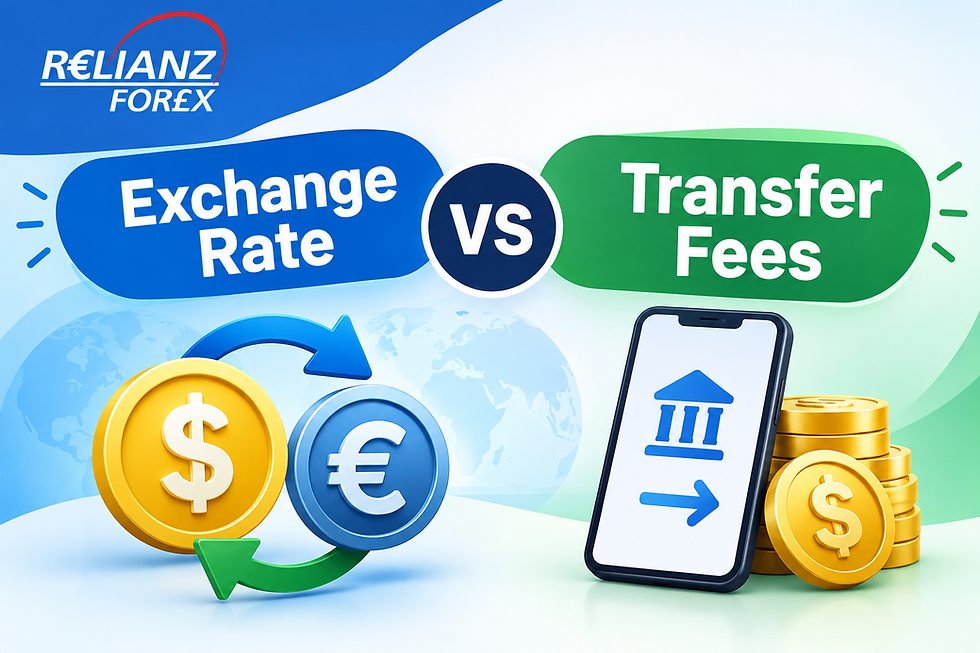
1. Transparent Exchange Rates Always compare the live market rate with the rate you're being offered. A "no fee" transfer can still be expensive if the money exchange rate includes a hidden margin.
2. Genuine Security A secure money transfer isn't just about encryption — it's about working with a regulated, licensed provider that safeguards your funds throughout the process and offers transaction tracking from start to finish.
3. Speed vs. Cost Trade-offs Faster transfers sometimes come at a premium. If your payment isn't urgent, a slightly slower option may save you meaningfully on fees or rates.
4. Support for Your Specific Purpose Some providers specialize in remittances, others in business or property-related transfers. Choosing one that understands your specific need — whether it's a one-time large payment or recurring smaller transfers — often results in a smoother experience.
Making the Right Choice
There's no single "best" way to send money overseas — the right option depends on what you're sending it for. A property purchase calls for a provider comfortable with large-value, compliance-heavy transactions. Education payments benefit from consistency and low recurring costs. Family support transfers prioritize speed, convenience, and low fees on smaller amounts.
Platforms like Relianz Forex are built to handle exactly this kind of variety, offering competitive money exchange rates alongside secure money transfer options tailored to property purchases, education payments, and family remittances alike. By matching the transfer method to your specific need, you can move money overseas with confidence, knowing you're not overpaying or taking unnecessary risks.
Whatever the reason behind your transfer, taking a few extra minutes to compare your options can mean the difference between a stressful transaction and a smooth, cost-effective one.


This was a useful explanation of SSO Portal Login. I liked the practical approach and clear wording used throughout the article. The information gives readers a better starting point and can reduce confusion when accessing an online government portal. Useful for everyone.
Really enjoyed this article. Astrology has become much more accessible with online tools that help people explore their birth information in new ways. An astrocartography chart is an interesting way to connect planetary placements with different locations around the world.
Thank you for creating such a detailed and easy to understand guide. There are plenty of articles online about pindownload tools, but very few explain the process this clearly. Everything worked perfectly when I followed your instructions. I'll definitely recommend this page to anyone looking for a reliable solution.